
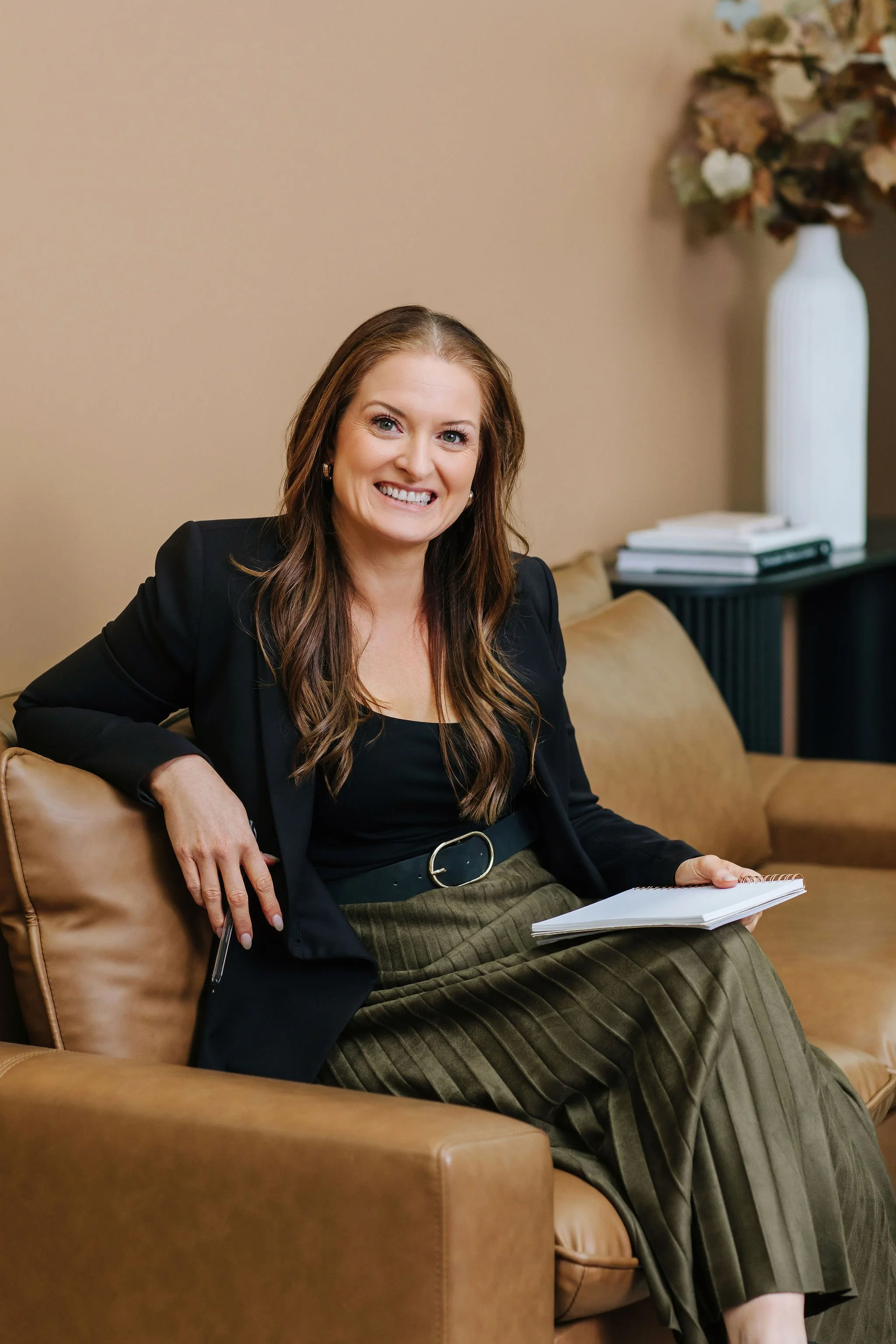
Dr Michelle Noonan – Clinical & Eating Disorder Psychologist, Educator, & Supervisor
A more peaceful relationship with food, body & self is possible.
Compassionate, evidence-informed therapy for adults experiencing eating disorders, disordered eating, body image concerns, trauma, and related emotional difficulties.

WELCOME TO
michelle noonan
PSYCHOLOGY.
Integrative psychological therapy in person at Lower North Shore Sydney and online Australia-wide
A warm, collaborative space to better understand yourself, your experiences, and create meaningful change.
People come to therapy at many different points in their lives. Some are reaching out for support for the first time, while others may have had therapy before and still feel caught in familiar ways of coping.
If food, body image, trauma or emotional distress are taking up too much space in your life, therapy can offer a place to better understand what is happening and begin moving toward change.
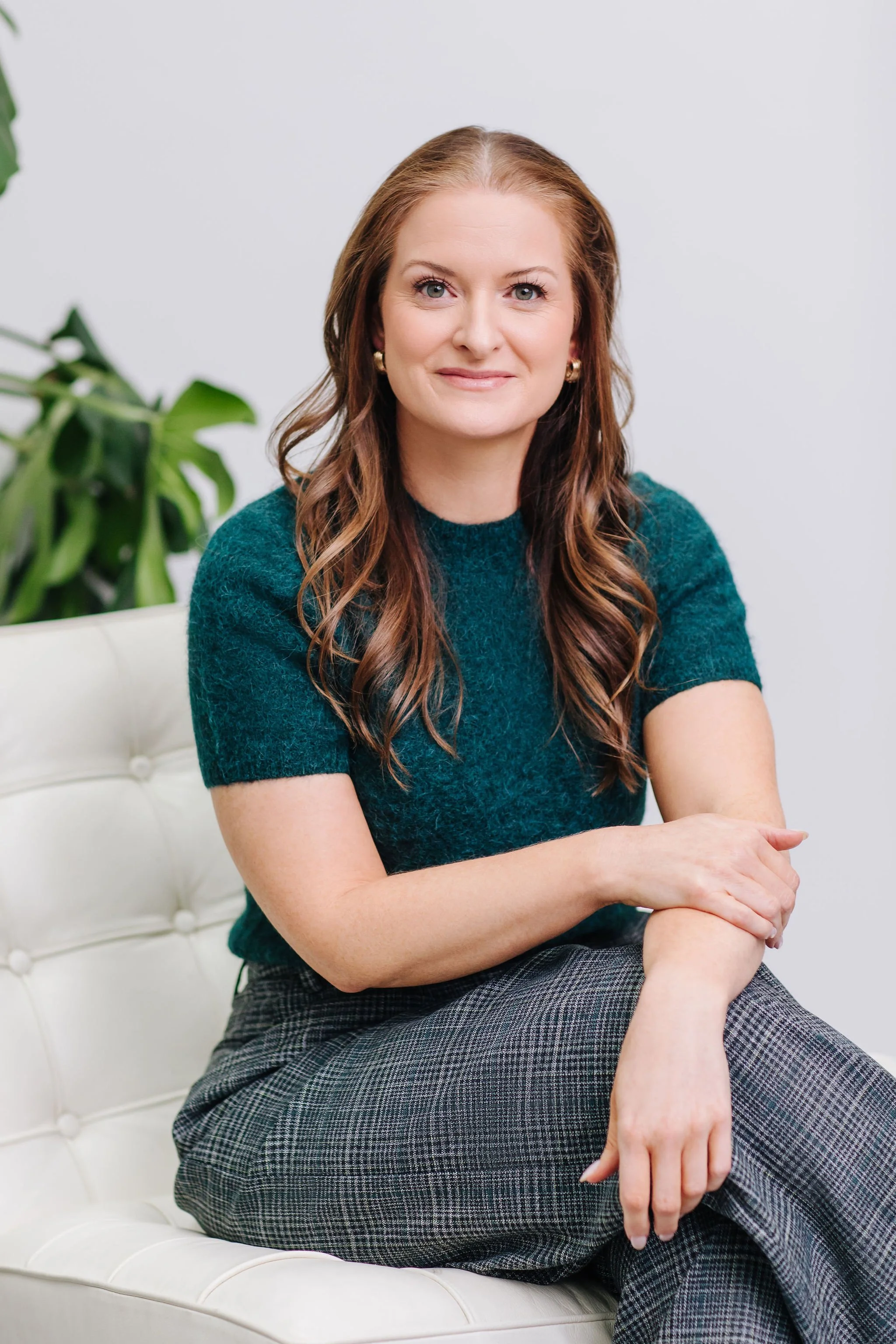
WELCOME TO MY PRACTICE
About Dr Michelle Noonan’s approach.
I am a Clinical Psychologist, educator in postgraduate psychology education, and board-approved supervisor, with extensive experience supporting adults with eating disorders, disordered eating, body image concerns, trauma and related emotional difficulties.
I draw from a range of evidence-informed approaches and tailor therapy to your needs, working alongside you to understand what may be keeping the problem going and to support change in a way that feels safe, respectful and sustainable. I believe you are the expert in your own life, and I aim to help you reconnect with your strengths, values and capacity for change.
In eating disorder treatment, I believe the body matters. Recovery is not only about changing behaviours around food, but also about rebuilding safety, trust and connection with your body. Self-compassion and embodiment can play an important role in this process, gently supporting you to reconnect with bodily sensations, emotions and needs with greater curiosity and care.
I also offer trauma-informed therapy, including EMDR, for people whose past experiences continue to feel emotionally overwhelming or difficult to move beyond. Trauma therapy aims to reduce the ongoing impact of these experiences so you can feel more grounded, more present and more connected in your life.
How Michelle can help.
-

Eating Disorder Therapy
Thoughtful, evidence-informed support for eating disorders, disordered eating and body image concerns, tailored to your needs.
-

EMDR Therapy
A trauma-focused therapy that helps distressing memories feel less overwhelming and less present in everyday life.
-
Professional Supervision for psychologists & clinicians
Reflective, clinically grounded supervision for psychologists seeking support in eating disorders, body image and early-career practice.
“Embodiment refers to the lived attunement of the inner and outer experience of self."
– Catherine Cook-Cottone, Embodiment and the Treatment of Eating Disorders: The Body as a Resource in Recovery (2020)
Good things to know.
-
You do not need a referral to attend therapy. However, if you would like to access Medicare rebates, you will need a valid referral from your GP.
-
Medicare
You can speak with your GP about whether you may be eligible for one of the following Medicare referral pathways:
Eating Disorder Management Plan: Claim a rebate of $149.05 per session, for up to 40 sessions* within 12-months of your referral being issued.
Mental Health Care Plan: Claim a rebate of $149.05 per session, for up to 10 sessions per calendar year.
Eating Disorder Management Plans are usually provided in blocks, with reviews required along the way. If you need more than 20 sessions within a 12-month period, a psychiatrist review is generally required to support further sessions under the plan.
Private Health
Many private health insurance policies include cover for psychology sessions. Please check your individual policy to confirm what may be available to you.
-
Therapy sessions are 50 minutes.
Supervision sessions are 55 minutes.
-
Yes. Appointments are available in person and via telehealth.
If your appointment is online, you will be sent a Zoom link as part of your appointment reminder. You will need a device with a working camera and a reliable internet connection.
-
The first session is focused on understanding what has brought you to therapy, what you are hoping for, and what might be contributing to your current difficulties. You do not need to have everything worked out before you attend.
-
No. This practice is not a crisis service. If you need urgent support, please contact 000, Lifeline on 13 11 14, or your nearest emergency department.

You don’t need to have it all figured out before reaching out.
If you would like support, you are welcome to get in touch.